
ECP 145/4332
CONDUCTIVE NYLON 6
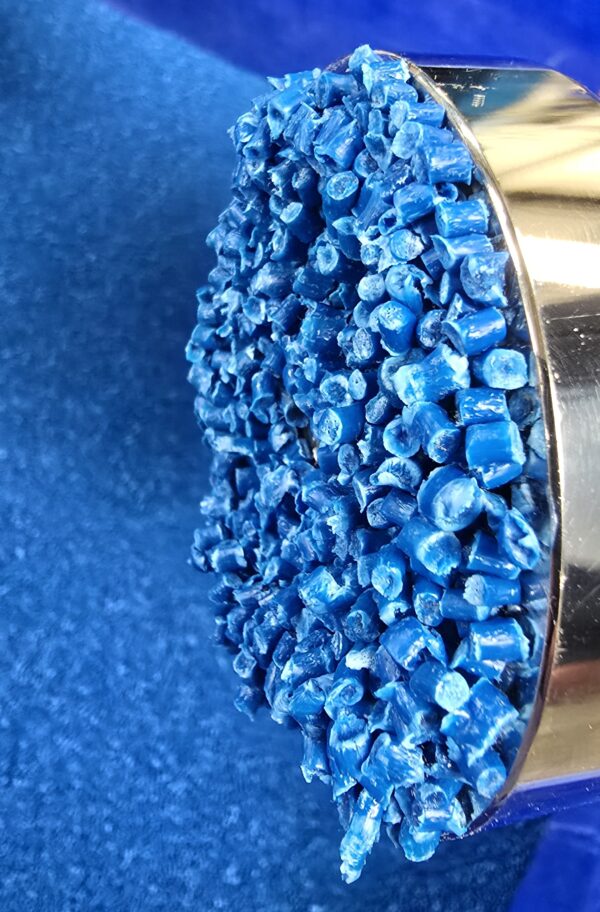
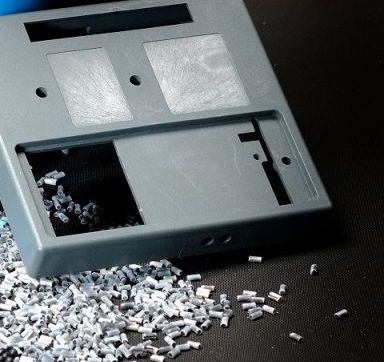
ECP 145/4332 is an injection moulding compound based on Nylon 6 and special conducting Carbon Blacks.
The compound has been specially formulated with impact modification to provide a compromise of strength with the electrical conductivity requirements laid out for materials in IEC 61340-5-1:2007 and DEF Std 59-98.
APPLICATIONS
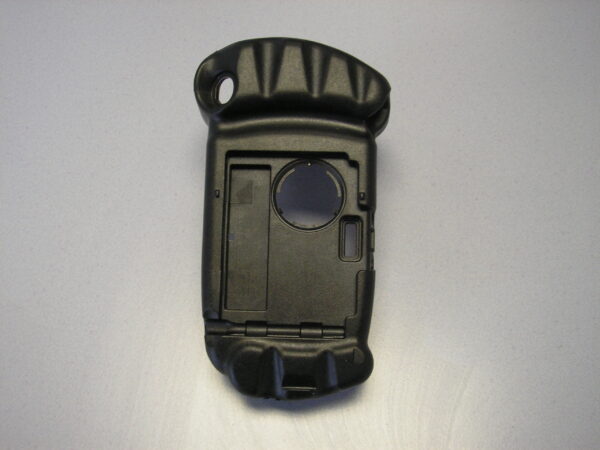
ECP 145/4332 is used in applications which require the usual advantages normally associated with Nylon 6.
Typical applications include;
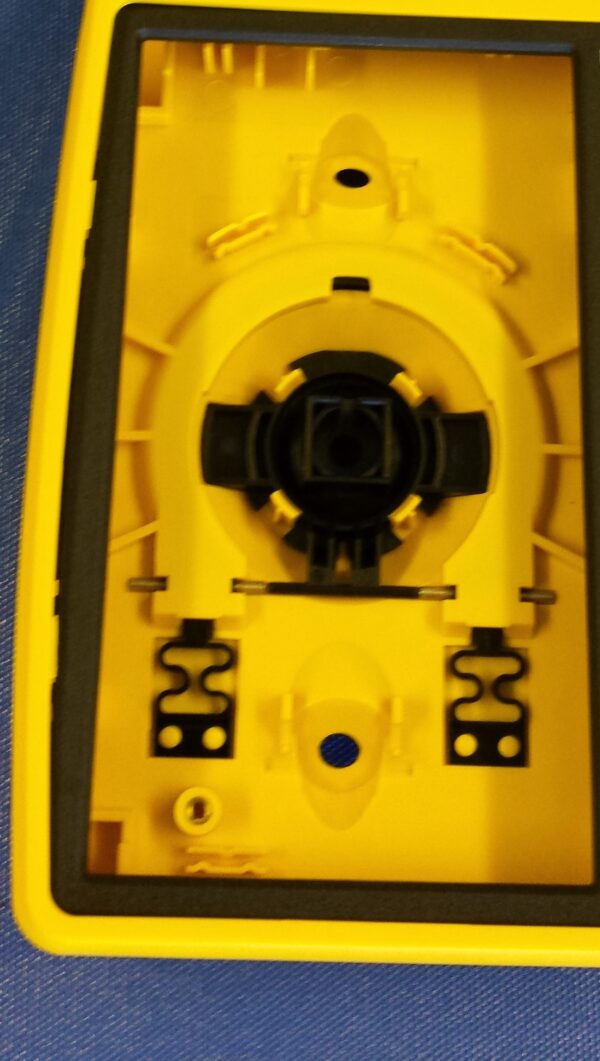
– production aids for the electronics industry.
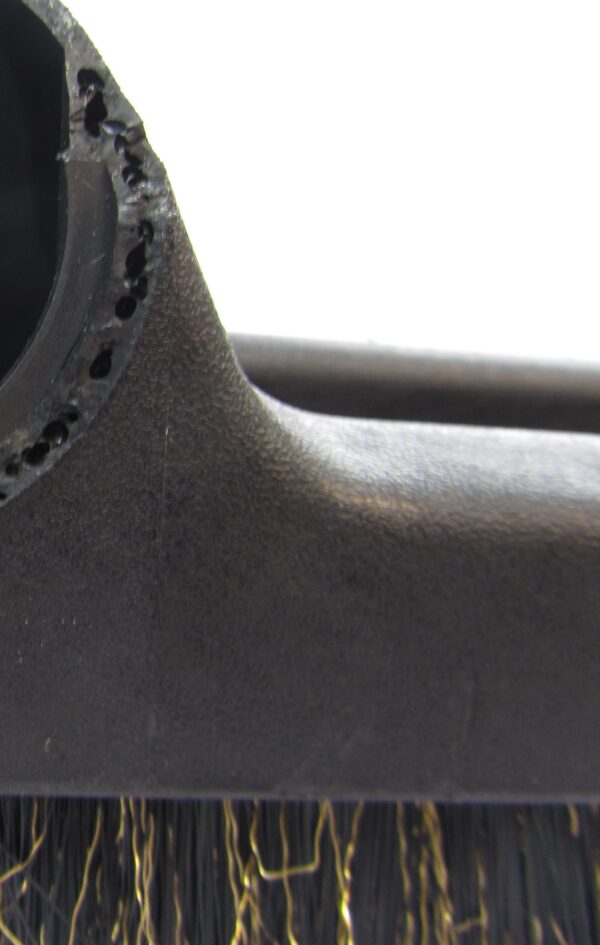
– bearings and machine parts where frictional
characteristics predominate.
– parts which need to exhibit good chemical resistance
allied to static dissipative properties.
PROPERTIES
6
Surface Resistivity (ohms/sq.) <10
Specific Gravity (g/cc) 1.18
Tensile Strength (MPa) 53.6
Tensile Modulus (Gpa) 1.7
Flexural Strength (MPa) 50.5
Flexural Modulus (GPa) 1.64
Impact Strength:
Izod (J/m) 167
Charpy UN-N (KJ/m ) Did not break
Charpy N (KJ/m ) 9.9
Shrinkage (%) 1.5-1.7
ALL PHYSICAL PROPERTIES TO BS 2782
RECOMMENDED PROCESSING CONDITIONS
Injection Moulding
ECP 145/4332 will mould on a reciprocating screw injection moulding machine preferably fitted with non return valves to prevent material slip back on the screw. Shut off nozzles are recommended to prevent nozzle dribble.
Cylinder Temperature
Generally 240-280°C, depending on the size and complexity of the moulding. Generally, large mouldings require higher cylinder temperatures whilst lower cylinder temperatures are recommended when using a small shot to minimise polymer degradation.
Mould Temperature
60 – 80°C; higher mould temperatures generally improve physical properties but the optimum is based on the size and complexity of the mouldings.
Mould Design
Nylon 6 compounds have a sharp melting point and low melt viscosity, therefore, mould surfaces should mate well to avoid excessive flash. Runners and gates should be as large as practicable to avoid denigration of physical and electrical properties. Sprues and runners should be as short as possible to avoid premature material freezing.
Moisture Control
ECP 145/4332 readily absorbs moisture and should be dried to a moisture content of 0.1%. ECP 145/4332 is normally supplied dried, but if for some reason the material has picked up moisture, then the material should be dried for a minimum of 4 hours at 100°C, in a recirculatory oven in shallow trays or by any other suitable drying method. Wet compound manifests itself as spitting on moulding.
Use of Regrind
It is not normally recommended that regrind material should be used, as mechanical and particularly electrical properties may suffer. However, low level additions of 5-10% may be tolerated with careful quality control.
HEALTH & SAFETY
CAUTION – THIS MATERIAL IS ELECTRICALLY CONDUCTIVE
As this material does not have the insulating properties normally associated with polymers, due safety precautions must be taken in use and it is recommended that all products made from this material are suitably labelled.
INFORMATION IN THIS PUBLICATION AND OTHERWISE SUPPLIED TO USERS IS BASED UPON OUR GENERAL EXPERIENCES AND IS GIVEN IN GOOD FAITH, BUT BECAUSE OF THE PARTICULARS WHICH ARE OUTSIDE OUR KNOWLEDGE AND CONTROL AND AFFECT THE USE OF THE PRODUCT, NO WARRANTY IS GIVEN OR IS IMPLIED WITH RESPECT TO SUCH INFORMATION. FREEDOM FROM PATENT RIGHTS MUST NOT BE ASSUMED